
CBD and the Endocannabinoid System
Stefanie StinglUpdated:Key points at a glance:
CBD is commonly discussed in relation to the endocannabinoid system (ECS), which consists of endocannabinoids, receptors and enzymes. CB1 receptors are mainly associated with the nervous system, while CB2 receptors are primarily found in the immune system and digestive tract. The ECS is described in research as supporting internal balance (homeostasis) and being involved in processes such as mood, stress response, pain perception and sleep. THC binds directly to cannabinoid receptors and is associated with psychoactive effects, whereas CBD binds only minimally. Instead, it is often described as influencing the availability of the body’s own endocannabinoids. Research in this area is still at an early stage. Interactions with medicines are considered possible, so medical advice should be sought where appropriate.
Cannabinoids interact with the body’s own endocannabinoid system. Through their interaction with receptors and enzymes, this system plays an important role in how the endocannabinoid system functions.
Before looking more closely at how CBD is discussed in relation to the body, it is helpful to clarify the terms cannabinoids, endocannabinoids and the endocannabinoid system (ECS), and to explain how they interact with one another.
CBD has increasingly become a subject of scientific interest due to its wide range of potential applications. It is commonly discussed in connection with the endocannabinoid system (ECS), a regulatory system present in the human body.
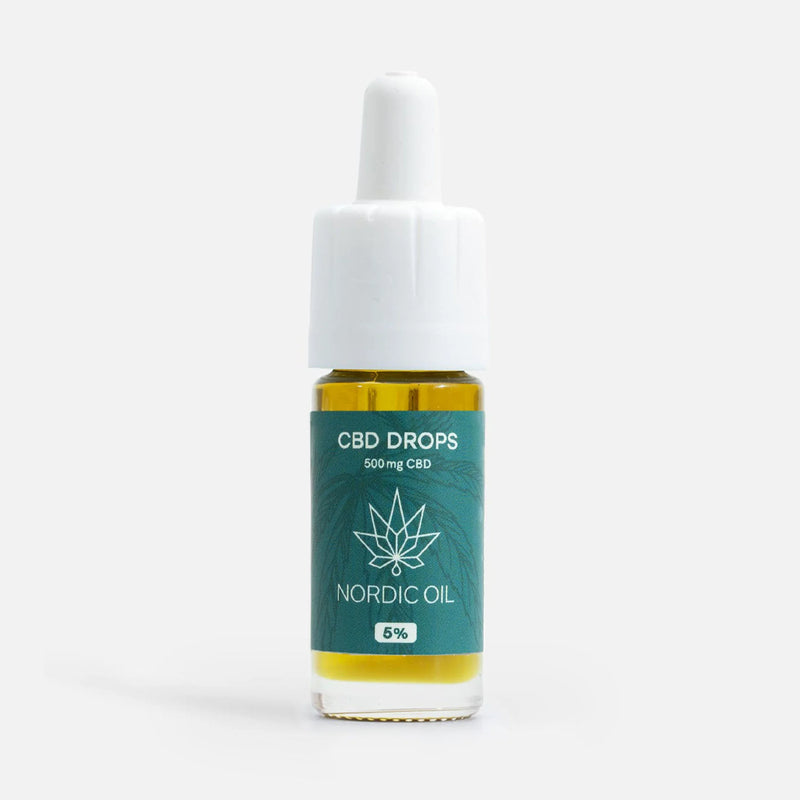
CBD Oil Plus (5%)
CBD is often discussed in relation to the endocannabinoid system, a natural regulatory system found throughout the body.
Many people have read or heard about CBD products and their possible health-related properties. At the same time, it is important to be well informed and to develop a clear understanding of CBD in order to make informed personal choices.
The pharmacological properties of CBD in the human body are still being researched, and many studies are at an early stage. Researchers, pharmaceutical companies and healthcare professionals continue to explore the characteristics of CBD derived from hemp plants and how it interacts with biological systems.
The chemical processes that take place in the body are complex. At Nordic Oil, we aim to provide clear and factual information about CBD.
This article explains how CBD is commonly described in relation to the endocannabinoid system and how this system functions in the body.
What does CBD stand for?
CBD stands for cannabidiol and is a compound that is formed from cannabigerol (CBG) during the development of the hemp plant.
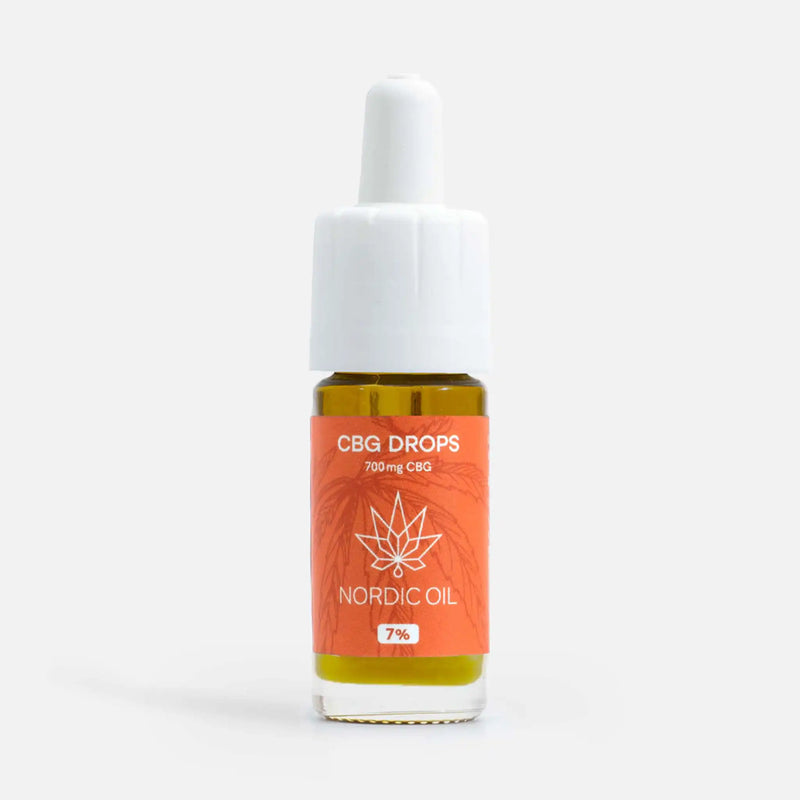
CBG Oil (7%)
According to the World Health Organization, there is currently no evidence that pure CBD has recreational effects or poses a public health risk.
The report also notes that CBD is generally well tolerated and has a favourable safety profile. Reported side effects have often been observed in connection with the use of other medicines that may interact with CBD.
CBD refers to cannabidiol, a naturally occurring compound from the hemp plant that is generally considered well tolerated according to current assessments.
What is CBD?
CBD is one of the most widely known naturally occurring compounds found in the hemp plant. Of the estimated 400–525 natural components present in the plant, only around 60–80 have so far been identified. Two of the best-known compounds are THC and CBD.
What is the endocannabinoid system (ECS)?
The endocannabinoid system is a biological system found in the human body that is involved in regulatory processes. Endocannabinoids are molecules produced naturally by the body and are structurally similar to plant-derived cannabinoids.
Receptors for endocannabinoids are found throughout the body, including in organs, immune cells, connective tissue and the brain. The ECS is often described in scientific literature as being associated with balance within the body, sometimes referred to as homeostasis.
The endocannabinoid system is a naturally occurring system involved in internal regulation and balance within the body.
Components of the endocannabinoid system
Research generally describes three core components of the ECS:
- Endocannabinoids (molecules similar to the cannabinoids found in the hemp plant)
- Receptors (distributed throughout the body, including the skin, immune cells, bones, fatty tissue, liver, pancreas, muscles, heart, blood vessels and digestive tract)
- Enzymes (substances involved in regulating chemical reactions in the body)
Together, these components form the endocannabinoid system and are considered an important part of human biology.
Scientific research often discusses the ECS in relation to physiological processes associated with mood, stress response, the immune system and the nervous system.
How is CBD discussed in relation to the body?
To understand how CBD is commonly described in relation to the body, it is helpful to distinguish between how CBD and THC interact with the endocannabinoid system.
- THC is known to bind directly to certain ECS receptors and is associated with psychoactive effects.
- CBD does not bind to these receptors in the same way and is often described as interacting indirectly with the ECS.
Research suggests that ECS receptors are involved in signalling pathways related to processes such as pain perception, immune response, memory, mood and sleep. These processes are complex and remain the subject of ongoing investigation.
CBD and THC interact with the endocannabinoid system in different ways, with CBD typically described as acting indirectly.
What is discussed in relation to low endocannabinoid levels?
Some researchers have explored whether altered endocannabinoid signalling may be associated with certain medical conditions. These discussions are theoretical and not diagnostic. Conditions sometimes mentioned in this context include:
- Migraine
- Parkinson’s disease
- Alzheimer’s disease
- Multiple sclerosis
- Movement disorders
- Depression
- Serotonin-related disorders
- Low dopamine levels
Anyone concerned about symptoms or underlying health conditions should seek advice from a qualified healthcare professional.
Summary
- CBD products are derived from hemp plants and are available in various formats, including oils, capsules, gels and topical products.
- Endocannabinoids are molecules produced naturally by the body and are structurally similar to plant-derived cannabinoids.
Disclaimer: This article is for information purposes only and does not replace medical advice. Do not change medicines or dosages without consulting your doctor. No claims are made regarding the treatment or cure of illnesses.