
Shilajit and Magnesium: Muscle Relaxation, Recovery and Better Sleep
Leila WehrhahnUpdated:Key points at a glance:
Shilajit is a mineral-rich resin that contains fulvic acid. Magnesium plays an important role in nerve and muscle function. Both are commonly used in relation to relaxation, recovery and sleep. Their combination is considered plausible, although direct studies on this pairing are lacking. Research on magnesium shows mixed findings for muscle cramps and some indications of improved sleep in older adults. Shilajit has been investigated in connection with training adaptation. It is advisable to look for products with verified quality. At higher intakes, gastrointestinal discomfort may occur, and interactions with other substances are possible.
Shilajit is a mineral-rich resinous substance from mountainous regions; magnesium is an essential mineral involved in nerve and muscle function. Both are often discussed in relation to muscle relaxation, post‑exercise recovery, sleep and muscle comfort. Could these two natural substances complement each other?
Shilajit + magnesium is often discussed in relation to muscles, recovery and sleep. The combination appears plausible, but has so far been little studied in clinical research.
What is shilajit?
Shilajit is a black to brown, resin-like natural product formed over centuries from plant residues. It is rich in humic substances, particularly fulvic acid, as well as trace elements. In Ayurvedic tradition, shilajit is regarded as a Rasayana (“rejuvenating” preparation). Modern reviews describe antioxidant and adaptogenic properties; however, high‑quality clinical data are still limited. (5)

Shilajit Capsules
What is magnesium?
Magnesium is an essential mineral involved in more than 300 enzymatic reactions. In terms of muscle function and relaxation, magnesium helps regulate calcium and potassium ion channels; it also plays a role in energy production, nerve conduction and heart rhythm. (1)
Magnesium supplements are popular because of their commonly discussed role in muscle cramps and sleep. The evidence for muscle cramps is mixed, while there are some indications for benefits on sleep quality in older adults. (2–3)
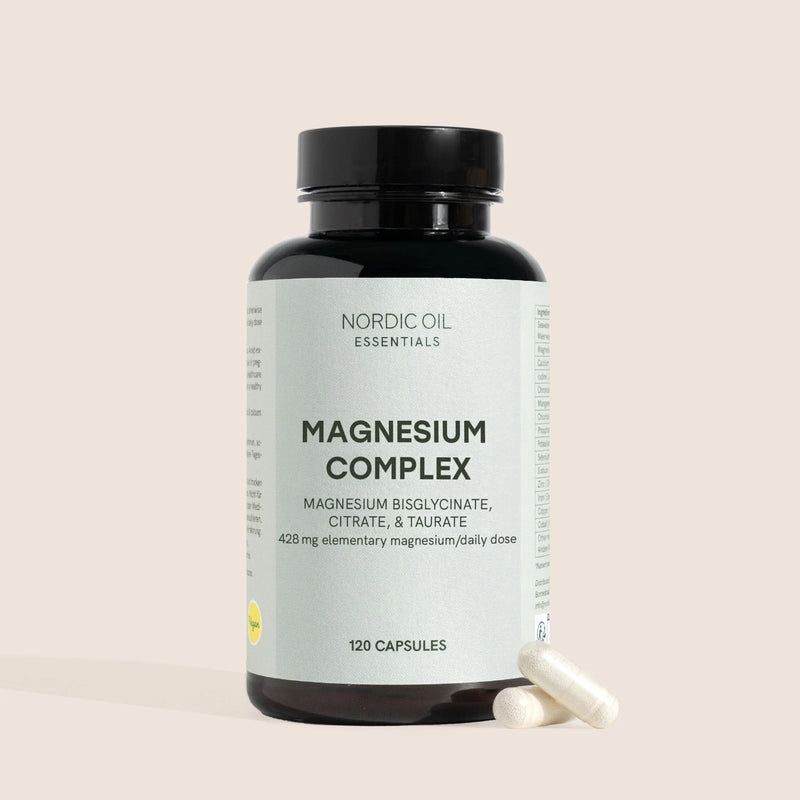
Magnesium complex
Why combine shilajit and magnesium?
Theoretical synergies: Shilajit contains fulvic acid, which in preclinical models can influence membrane characteristics and transport processes; from this arises the hypothesis that mineral uptake might be supported. Combined with magnesium – often referred to as a “relaxation mineral” for muscles – this suggests a plausible complement: shilajit may support energy provision and training adaptation, while magnesium is associated with neuromuscular balance and sleep. However, direct human studies on the combination are not yet available. (1,4–5)
Tradition & modern use: Ayurveda uses shilajit in a broad range of contexts; magnesium supplementation is well established in modern nutritional practice. In real‑world use, the combination is therefore often tried, but the evidence is largely anecdotal and further research is needed. (5)
Potential benefits (research and user reports)
- Muscle relaxation and fewer cramps: Magnesium is functionally important for muscle relaxation; randomised studies on the prevention of non‑specific muscle cramps show overall mixed results, with unclear effects outside of pregnancy. (1–2)
- Post‑workout recovery: One randomised controlled trial found that 8 weeks of shilajit (500 mg/day, PrimaVie) reduced strength loss after fatigue in trained individuals and favourably influenced markers of collagen metabolism – suggesting a possible role in supporting muscle and connective tissue adaptation. (4)
- Improved sleep: In older adults, an 8‑week, placebo‑controlled study using 500 mg/day magnesium reported improvements in sleep time, efficiency and sleep onset latency. (3)
- Energy & vitality: Reviews on shilajit describe adaptogenic, antioxidant and potentially “revitalising” effects; confirmation in larger clinical studies is still pending. (5)
Why the combination is considered attractive: magnesium is linked with acute neuromuscular function and sleep, while shilajit may influence training tolerance and recovery. Together this may offer a more holistic approach – with the clear caveat that robust combination studies are lacking. (1,4–5)
Magnesium is associated with muscle relaxation and sleep; shilajit has shown indications of improved training adaptation. Evidence for the combination is absent, individual studies on each substance are encouraging.
Possible side effects & safety
Magnesium: High supplemental doses can cause gastrointestinal discomfort (especially diarrhoea). For over‑the‑counter magnesium supplements, a tolerable upper intake level (UL) of 350 mg/day of elemental magnesium has been proposed (this does not apply to magnesium from food). Interactions: reduced absorption of certain antibiotics (e.g. tetracyclines, fluoroquinolones), bisphosphonates and levothyroxine – an interval of at least 2–4 hours between intakes is usually recommended. (1)
Shilajit: Only use purified, standardised products. Analyses of traditional preparations have repeatedly found high levels of lead, arsenic or mercury; this underlines the importance of quality documentation (e.g. heavy metal and microbiological tests, certificates). (6)
General caution: During pregnancy/breastfeeding, as well as in chronic conditions (e.g. kidney impairment) or when taking medicines, medical advice should be sought before use. You can read more about possible intolerances in our article on shilajit side effects. (1,5–6)
How to take shilajit with magnesium?
There is no “gold standard”. The following practical suggestions are commonly used:
| Goal | Practice |
|---|---|
| General recovery | Shilajit 250–500 mg/day, preferably in the morning or around training, with a meal; magnesium 200–350 mg/day elemental, divided into 1–2 doses. |
| Sleep & evening muscle relaxation | Magnesium (e.g. citrate/glycinate) 1–2 hours before bedtime; shilajit more during the day, to make use of potentially activity‑supporting effects. (1,3–4) |
| Tolerability/absorption | Prefer magnesium forms with better bioavailability (citrate, glycinate, lactate); keep an interval from certain medicines. (1) |
Note: The amounts mentioned are general reference values from studies and specialist sources; individual needs may differ. (1,3–4)
Who might the combination be suitable for?
- Active people and those who exercise regularly and wish to support their recovery and training adaptation.
- Individuals who would like to try natural options related to muscle relaxation and fewer night‑time cramps – while being aware that the evidence for cramp prevention is limited. (2)
- People looking to support their sleep quality in a natural way, particularly in older age. (3)
Potentially suitable for active individuals, people interested in sleep quality and those who wish to support muscle comfort – always in consultation with a healthcare professional.
Scientific research & references
At present there are no high‑quality studies that specifically investigate shilajit + magnesium as a combination. However, data are available for each substance individually: magnesium plays a central physiological role in nerve and muscle relaxation; its effectiveness against non‑specific muscle cramps is inconsistent in meta‑analyses, while small RCTs in older adults report positive effects on certain sleep parameters. Shilajit shows early human data suggesting potential benefits for strength/fatigue parameters and is generally regarded as tending to be well tolerated in reviews when quality‑tested products are used. More large, independent RCTs are required to clarify possible synergies and the safety of the combination. (1–6)
Conclusion
Shilajit and magnesium are a popular pairing with plausible points of interest for muscle relaxation, recovery and sleep. While the physiological role of magnesium is well established, shilajit provides initial, partly positive data from human studies – but joint use has not yet been firmly established in clinical research. Make your decision with a focus on quality and seek medical advice if you are unsure.