
Acerola and Vitamin C: Effects on the Skin
Leila WehrhahnUpdated:The essentials at a glance:
Acerola is a fruit that is naturally very rich in vitamin C. Vitamin C is known for its role in supporting the skin and is often associated with collagen and elasticity. It can help neutralise free radicals from UV light and environmental influences. Studies have observed improvements in skin texture and the appearance of fine lines. Changes in the appearance of pigmentation and redness have also been reported. Acerola can be used in the form of serums or through diet and food supplements. Serums should be packaged in a way that helps maintain stability. Sensitive skin may react to topical products, and very high oral intakes may place a strain on digestion.
Vitamin C for the skin
The acerola cherry is among the richest natural sources of vitamin C. This micronutrient plays an important role in relation to skin health and is used both internally through diet and externally in the form of vitamin C serum.
Many people wonder: Is vitamin C good for the skin? And if so, what does vitamin C do for the skin? This article outlines the key connections, highlights relevant scientific research and offers practical tips on how it is used.
What you will learn in this article:
- Why vitamin C is considered important for the skin
- How it is discussed in relation to collagen, elasticity and radiance
- Which potential advantages acerola offers as a natural source of vitamin C
- How vitamin C is used as a serum and as a dietary supplement
- Possible side effects and signs of deficiency
Acerola provides particularly high amounts of vitamin C. This nutrient is associated with supporting the skin, collagen, and is widely used in serums.
Vitamin C: effects on the skin
Vitamin C for the skin has long been the subject of research. The nutrient contributes to the formation of collagen – a protein that is important for the firmness and elasticity of the skin. In addition, vitamin C acts as a potent antioxidant, helping to neutralise free radicals that can arise from UV exposure or environmental pollution.
What does vitamin C do to the skin? Studies suggest that it may help to improve skin texture, soften the appearance of fine lines and give the complexion a more even look (1). Vitamin C is also frequently discussed in relation to pigmentation and redness, which is why it is included in many vitamin C serums.
Vitamin C contributes to collagen formation, helps protect against free radicals and may help improve the appearance of the skin and complexion.
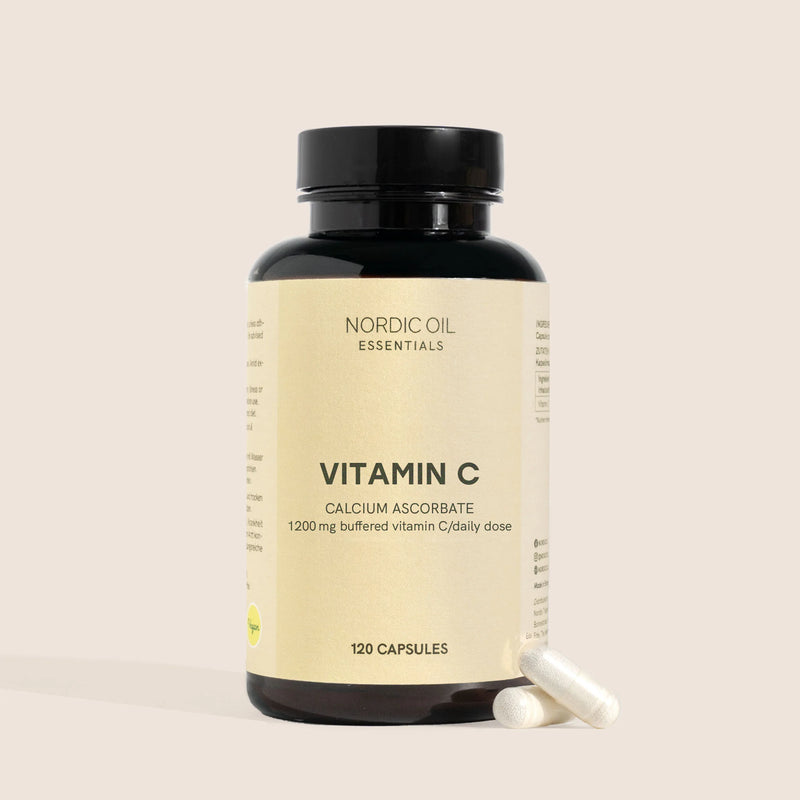
Vitamin C Capsules
Acerola as a natural source of vitamin C
The acerola cherry is one of the most vitamin‑C‑rich fruits worldwide. Even small amounts provide many times the daily requirement. This makes it particularly suitable as a natural source of vitamin C for the skin. Compared with synthetic vitamin C, acerola also contains additional phytochemicals, which may have complementary properties.
When consumed regularly, acerola can help to support the body’s vitamin C levels from within and reduce the risk of a vitamin C deficiency, which may be associated with symptoms such as dry skin, slow wound healing or increased wrinkle formation.
Acerola provides extremely high amounts of vitamin C and may help reduce the risk of deficiency-related issues such as dry skin or slow wound healing.
👉Insider tip: Nordic Oil Essentials fruit gummies provide vitamin C from acerola together with biotin and bamboo extract.
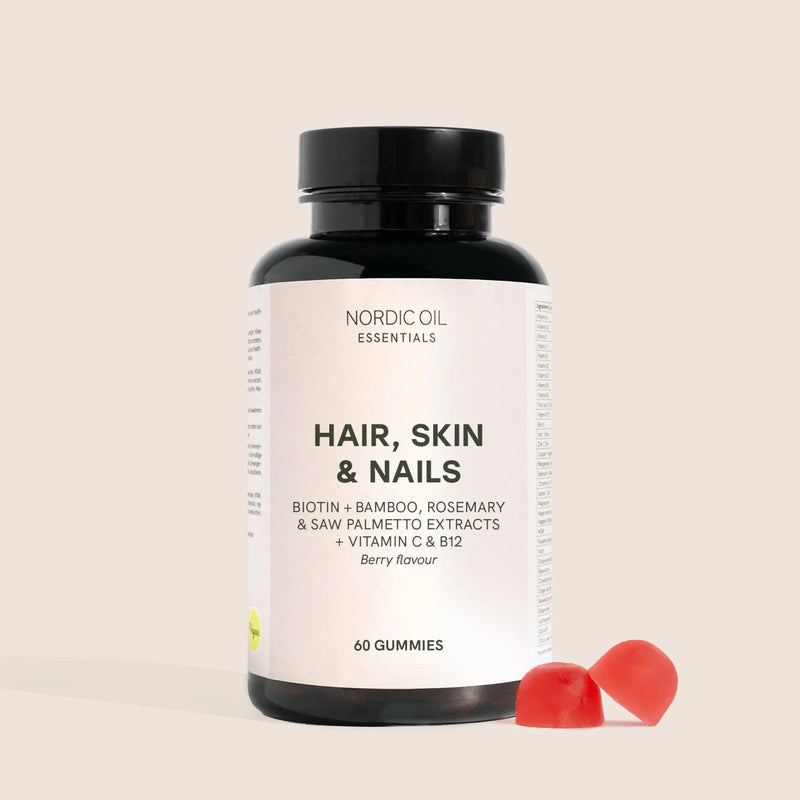
Hair Skin and Nails Gummies
Conclusion
Vitamin C for the skin is often viewed as an important factor for a healthy-looking, radiant complexion. It contributes to collagen formation, helps protect against free radicals and is frequently used by people who wish to address pigmentation and fine lines. The acerola cherry is a particularly rich natural source of this vitamin and can be used both as a food and in dietary supplements.
Whether in the form of a vitamin C serum or via daily nutrition, regular intake can help to maintain skin elasticity and support the skin’s normal functions over time. When combined with other nutrients such as biotin or zinc, many people regard the overall routine as especially beneficial.
Note: This article is for general information only and does not replace medical advice. If you have any health concerns, please consult a doctor or other qualified healthcare professional.